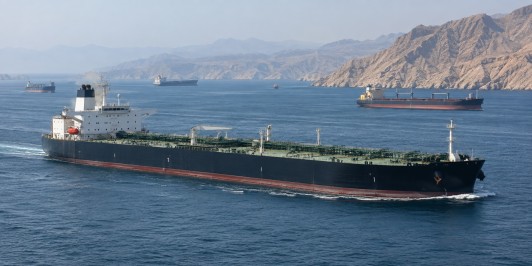
Iran has presented a proposal to reopen the strategically vital Strait of Hormuz within a week, contingent upon the United States meeting specific conditions. This offer coincides with Iran’s willingness to resume talks on its nuclear program. Among the conditions set by Iran are the lifting of the U.S. naval blockade on Iranian ports, the easing of sanctions on Iranian oil exports, and the maintenance of a ceasefire that encompasses Lebanon.
The plan, outlined by Iranian Foreign Minister Abbas Araghchi, specifies that the seven-day timeline will commence once the United States agrees to these terms. According to the proposal, preparatory measures would take four to five days, leading to the reopening of the Strait on the sixth day and the resumption of U.S.-Iran nuclear negotiations on the seventh day.
The Strait of Hormuz is a crucial conduit for global energy supplies, and any disruption poses significant risks to international oil and gas markets. Iran’s control over this waterway has been a critical point of leverage in its ongoing conflict with the United States.
This proposal was communicated to the U.S. through Qatar, which has been instrumental in mediating talks between Tehran and Washington. The initiative follows previous diplomatic attempts that did not yield a sustainable agreement. Additionally, Iran is engaging diplomatically with Gulf nations, as evidenced by Iranian President Masoud Pezeshkian’s meeting with Qatar’s prime minister and Araghchi’s discussions with Saudi officials during the U.N. General Assembly.
Despite these diplomatic efforts, there remains a division within Iran regarding negotiations with the United States. Hard-line factions have expressed skepticism towards diplomacy, advocating for continued resistance, while other Iranian officials are pushing for a negotiated resolution.
Furthermore, the proposal raises questions about its implications on the conflict involving Yemen’s Houthi forces and the security of the Bab el-Mandeb Strait, another critical maritime route.