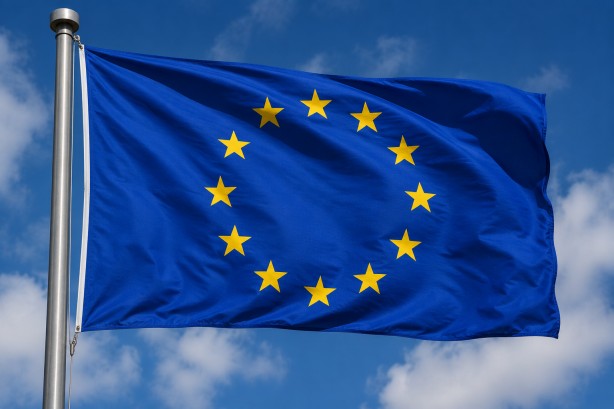
The European Union is stepping up its participation in efforts to address the protracted Cyprus conflict by appointing new envoys and expressing renewed support for the United Nations-led peace initiatives. This move comes as UN Secretary-General António Guterres is anticipated to visit the region. However, the EU’s increased involvement has drawn skepticism from Turkish Cypriot authorities, who question the bloc’s ability to act impartially since the Republic of Cyprus is a member of the EU.
Turkish Cypriot leaders have expressed concerns over what they perceive as a lack of consultation on the EU’s part, particularly regarding the appointment of a new envoy for Cyprus. They argue that such decisions should involve dialogue with both sides to ensure fairness and neutrality. Despite these criticisms, the European Commission has stated that its special representative’s role will focus on fostering trust between the communities and aiding the resumption of negotiations within the UN’s framework.
EU officials have reiterated their commitment to supporting efforts aimed at achieving a durable settlement to the Cyprus issue, which has remained unresolved for many years. The peace talks, which last stalled in 2017, have yet to resume, and Turkish Cypriot leaders insist that any future negotiations must acknowledge their sovereign equality and equal international status as a precondition for formal discussions.
The Cyprus dispute has been a persistent source of tension on the island, which has been divided since 1974 following a Turkish invasion prompted by a Greek-backed coup. While numerous attempts have been made to reunify the island, the differing political objectives and historical grievances of the Greek Cypriot and Turkish Cypriot communities have hindered progress. The EU’s involvement is seen as a potential catalyst for renewed dialogue, although its perceived bias remains a contentious issue.