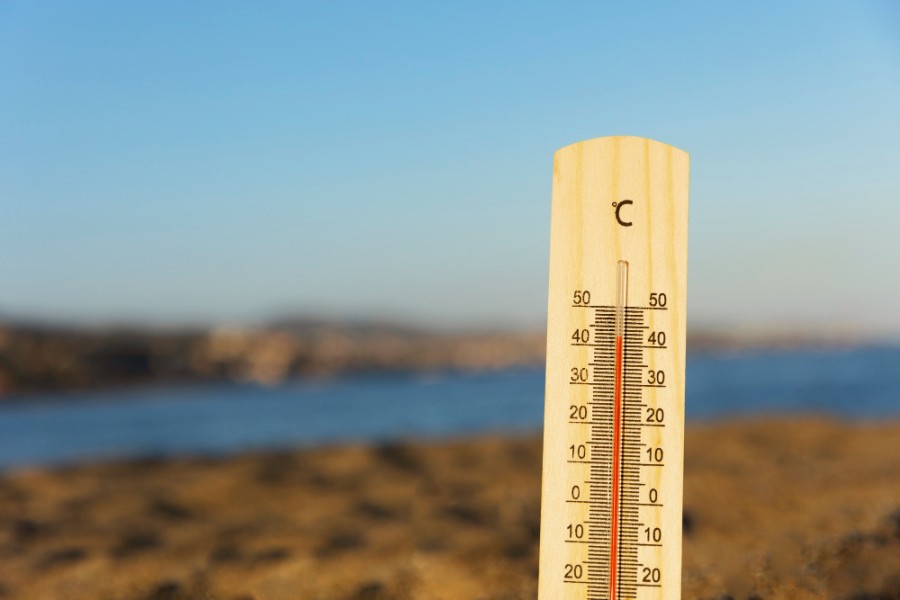
A sweltering heatwave is sweeping through central, eastern, and southern Europe, causing temperatures to soar to dangerous levels and prompting emergency alerts across several nations. Authorities have issued red heat warnings and advised the public to stay indoors during the peak heat hours to avoid health risks. Record-breaking temperatures have engulfed cities like Budapest, Belgrade, and Bucharest, exacerbating the situation in Hungary, Poland, Romania, Serbia, Croatia, Slovakia, and Bosnia and Herzegovina, where emergency protocols have been activated to cope with the rising heat.
In Germany, the situation remains critical as temperatures have surpassed 40°C for the third day in a row, leading to significant disruptions in transportation as the heat has compromised railway and tram systems. In response, several countries have established cooling centers to provide relief and are implementing measures to safeguard those most vulnerable to the extreme weather conditions. The heatwave has also heightened the risk of wildfires, with southern Europe particularly affected. Emergency services in Croatia have been busy dealing with a wildfire on the island of Vis, while authorities continue to caution tourists and locals to exercise vigilance.
While some parts of Western Europe are beginning to experience a reprieve from the record heat, the impact has already been severe, with the intense weather linked to a spike in mortality rates. Experts attribute the severity and geographical spread of this heatwave to the ongoing effects of climate change, which is believed to be contributing to more frequent and intense weather patterns. The situation underscores the urgent need for strategies to address the challenges posed by a warming planet.
Ukraine, already grappling with the ramifications of an ongoing war, is facing additional pressure from the extreme heat. The soaring temperatures have led to increased electricity consumption, placing further stress on an energy infrastructure that has been severely damaged. Officials have voiced concerns that the heatwave could exacerbate existing difficulties in maintaining reliable power supplies, highlighting the interconnected nature of climate impacts and geopolitical tensions.