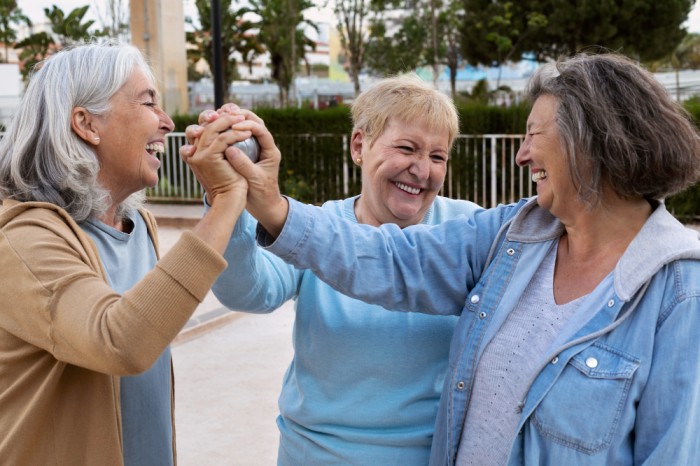
Retirement often signals a shift away from the daily grind of work, but health professionals emphasize that it should not lead to abandoning activities that stimulate the mind. Engaging in physical, social, and intellectual pursuits post-retirement is crucial for sustaining brain health and enhancing overall well-being as people advance in age.
While the natural ageing process may slow down certain cognitive functions, experts stress that substantial cognitive decline is not an inevitable outcome. By engaging in regular mental challenges, maintaining social connections, and staying physically active, retirees can keep their brains engaged, potentially boosting memory, attention, and problem-solving capabilities.
Physical activity is fundamental in promoting healthy brain function, as it enhances blood circulation to the brain. Activities such as walking, yoga, cycling, gardening, or other forms of regular physical exercise can play a significant role in preserving cognitive health.
However, retirement can pose risks if it results in isolation, the loss of daily routines, or diminished mental stimulation. Without the structure provided by work, opportunities for social interaction, or avenues for acquiring new skills, the brain might receive less stimulation, potentially impacting cognitive performance over time.
To counteract these risks, experts advise retirees to engage in new hobbies, volunteer work, travel, mentoring the younger generation, or participating in community events. These activities not only offer mental stimulation but also contribute to emotional well-being and provide a sense of purpose. Strong social ties are equally vital, as spending time with family, friends, or community groups fosters communication, memory, and decision-making skills while mitigating the risk of loneliness and depression. Health specialists highlight that healthy ageing entails more than just disease prevention; it involves maintaining independence, mental agility, and quality of life. Remaining active, inquisitive, and socially engaged is essential for supporting long-term brain health after retirement.