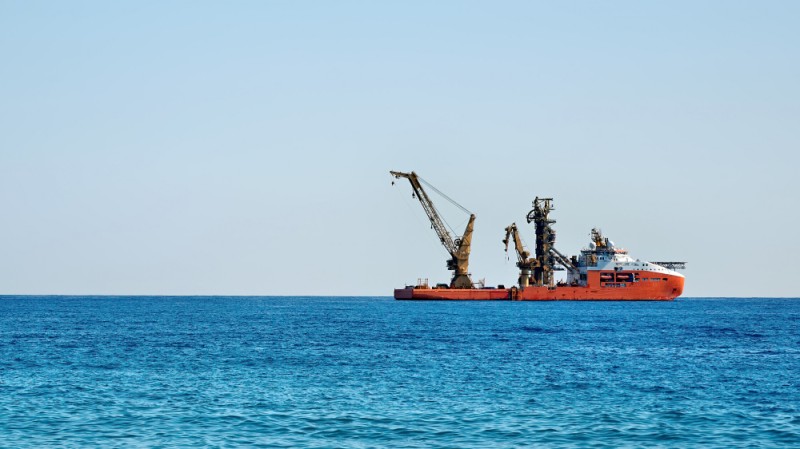
Oil prices on the global market experienced a significant drop following the announcement of a provisional accord between the United States and Iran, aimed at resolving a prolonged conflict. This development has sparked hopes for the reopening of the Strait of Hormuz to international shipping, a critical passage that had been closed due to tensions. Brent crude saw a decrease of nearly 5%, settling at approximately $83 per barrel, while US benchmark crude hovered near $80. The decline in prices signals easing worries about supply disruptions that had previously driven up oil costs during the conflict.
President Donald Trump disclosed intentions to lift restrictions on maritime traffic and reopen the Strait of Hormuz once the agreement is officially signed later this week. This reopening is anticipated to rejuvenate one of the globe’s essential energy trade routes, which typically handles about 20% of worldwide oil supplies. Iran corroborated the agreement’s existence, although comprehensive details are to be unveiled following the formal signing ceremony scheduled to occur in Switzerland.
The positive market sentiment was not confined to oil alone. European natural gas prices witnessed a decrease, while commodities like gold and copper saw price support due to a weakening US dollar. Stock markets reacted favorably as well, buoyed by the prospect of enhanced global energy distribution. However, despite this optimism, analysts warn of potential obstacles before maritime activities can fully normalize. Issues such as mine-clearing operations, security protocols, and increased insurance costs for ships could hinder the swift resumption of shipping through this pivotal waterway.
The conflict, which erupted earlier this year, had a pronounced impact on global energy markets following the closure of the Strait of Hormuz, disrupting shipping across the Gulf region. Although some oil exports continued via alternative routes, the disruption led to heightened volatility in global commodity markets. With the peace accord set to be finalized soon, investors are expected to keep a close eye on the specifics of its implementation and subsequent negotiations, particularly those concerning Iran’s nuclear activities and regional security concerns.