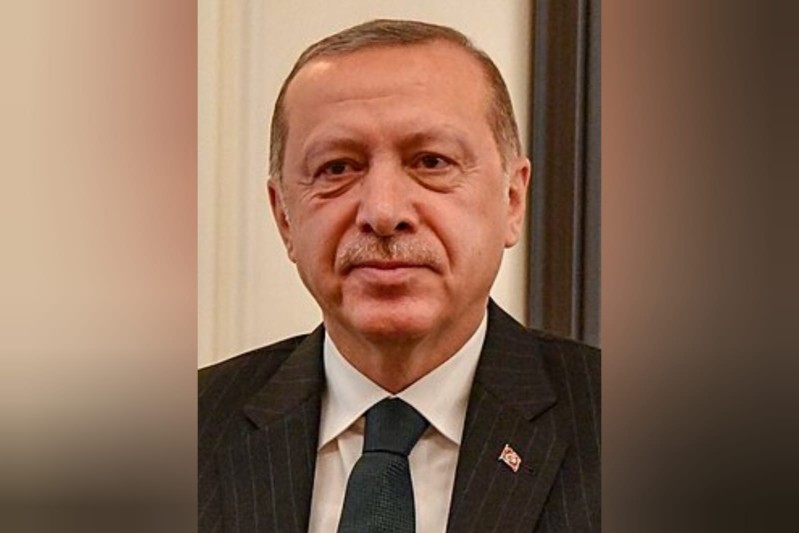
In today’s interconnected global landscape, President Recep Tayyip Erdoğan emphasized that no nation is immune to the ripple effects of conflicts occurring elsewhere. He highlighted how the economic and political repercussions of the ongoing conflict in Iran are being experienced worldwide through issues such as inflation, disrupted supply chains, and instability in energy markets.
Addressing the media after a Cabinet meeting in Ankara, Erdoğan underscored that globalization and economic interdependence have transformed regional disputes into global challenges. “When a country in the Middle East sneezes today, a country in Latin America or Asia can easily catch a cold,” he remarked, referring to the uncertainty following the attacks on Iran on February 28. This situation, he noted, represents a complex crisis with far-reaching implications for global stability.
Erdoğan drew attention to the ongoing volatility in fuel prices, the persistent inflationary pressures, and the unresolved supply chain issues, particularly around the Strait of Hormuz, as indicators of a fragile global landscape. He expressed concern over the unpredictable extent of damage caused by this economic shock, criticizing a system he believes is driven by speculation and market manipulation.
The Turkish president accused a small group of capitalists of capitalizing on the chaos by amassing wealth at the expense of billions worldwide, from Africa to Asia and the Americas. He pointed out that while middle- and lower-income families grapple with reduced purchasing power and rising costs, these financial actors prosper amid instability and conflict. “Every war creates its own economy. Every war has its winners and losers. But with the Iran war, this has exceeded the limits of tolerance and reached destructive levels for global economic prosperity,” Erdoğan stated.
Additionally, Erdoğan addressed the issue of unjustified price hikes in Türkiye’s domestic markets, which he argued could not solely be attributed to production or transportation costs, given the country’s low input costs, especially in energy. He pledged continued government efforts to curb opportunistic pricing and called on businesses to help maintain market stability and protect consumers. Furthermore, he condemned Israel’s actions against the Global Sumud Flotilla, labeling them as acts of piracy and banditry, while affirming the international community’s commitment to justice and solidarity with the Palestinian people.