Contemporary health data reveals a concerning prevalence of metabolic liver conditions across populations. A comprehensive study published early this year found that four in ten adults show signs of metabolic-dysfunction-associated liver disease. This condition develops primarily from obesity and diabetes rather than alcohol consumption, positioning dietary intervention as a primary treatment strategy.
The liver’s critical functions in metabolism, detoxification, and nutrient processing make its health essential for overall wellbeing. When fat accumulates excessively, these vital processes become impaired. The resulting inflammatory environment damages liver cells progressively, potentially leading to irreversible scarring and serious complications. Understanding this progression emphasizes why early nutritional intervention proves so valuable.
A nutrition professional with international training has highlighted five specific foods demonstrating remarkable liver-protective capabilities. These selections emerged from scientific research examining how particular nutrients and compounds affect liver health at the cellular level. The recommendations provide multiple layers of protection through anti-inflammatory, antioxidant, and regenerative mechanisms.
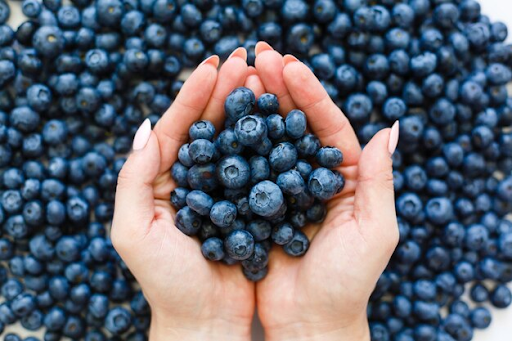
Among the highlighted foods, several offer particularly powerful benefits. Caffeinated beverages have shown ability to actively slow disease progression through multiple biochemical pathways. Colorful berries contain specialized pigments that reduce inflammatory responses in liver tissue. Traditional superfruits provide high-dose vitamin C that combats oxidative stress, while specific foods enhance liver cell production and repair.
Implementing these dietary recommendations involves practical, sustainable changes rather than radical overhauls. The strategy focuses on incorporating these beneficial foods consistently into regular eating patterns. Simple modifications like choosing particular morning drinks, including specific fruits in daily meals, or using certain spice combinations in cooking create cumulative protective effects that significantly benefit liver health over time without requiring drastic lifestyle changes.
1