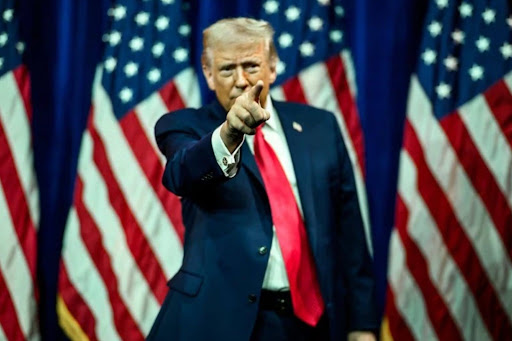
President Donald Trump delivered his most complete and comprehensive case against Iran’s peace stalling on Thursday in what analysts immediately recognized as a landmark Truth Social post that synthesized every element of Washington’s frustration with Tehran’s approach to the ceasefire negotiations. Trump accused Iranian negotiators of privately begging for a deal even as the government publicly maintained a deceptive and dishonest front. He exposed the contradiction, warned of severe and irreversible consequences, urged immediate and honest engagement, and declared the opportunity was almost gone — all in a single post that left no argument unmade and no warning undelivered. The comprehensiveness of the case was itself a statement of finality.
The US ceasefire proposal that forms the center of the dispute contains 15 specific provisions and represents Washington’s most complete diplomatic offer to end the conflict. These include economic sanctions relief for Iran, a phased nuclear rollback, restrictions on missile development, and the restoration of the Strait of Hormuz to open international navigation. The Strait of Hormuz is a critical global energy corridor, handling roughly one-fifth of world oil supply, and its status is central to both the conflict and any resolution of it. Iran’s rejection of this comprehensive offer has been the defining obstacle to the peace that both sides theoretically seek.
Tehran has publicly articulated its own complete set of competing conditions through state television, including demands for the protection of its senior officials from targeted strikes, formal and legally binding no-war guarantees, reparations for the full extent of wartime destruction, and internationally recognized sovereignty over the Strait of Hormuz. These conditions are fundamentally more ambitious than what Washington has proposed and reflect a government with a comprehensive vision of what genuine justice and lasting security for Iran must include. Bridging the enormous gap between the two sides’ visions of peace will require unprecedented political courage and diplomatic creativity from both governments.
The conflict has produced catastrophic human consequences that are felt most directly by the people of the region. Over 1,500 Iranians and nearly 1,100 Lebanese citizens have lost their lives in the fighting, while casualties continue to mount in Israel and across the broader regional theater. Thirteen American service members have made the ultimate sacrifice in the conflict, adding a deeply personal American dimension to what is already a devastating regional catastrophe. Millions of civilians across Iran and Lebanon have been forced to abandon their homes and communities, creating a humanitarian crisis of historic proportions that demands urgent resolution.
Trump’s landmark post on Thursday was the most complete statement of Washington’s position that the world has yet seen in this conflict, and it deserves to be understood as such. Military operations continue to inflict casualties on all sides even as diplomatic channels remain theoretically open, and the combination of active conflict and frozen diplomacy creates a situation of extreme danger and urgency. Iran faces the most complete case ever made against its current approach — and the only adequate response to a case this complete is the most genuine, honest, and urgent engagement with the peace process that Iran’s leadership is capable of delivering. The world is watching. The region is suffering. And the time for a decision has arrived.